What we check, and why
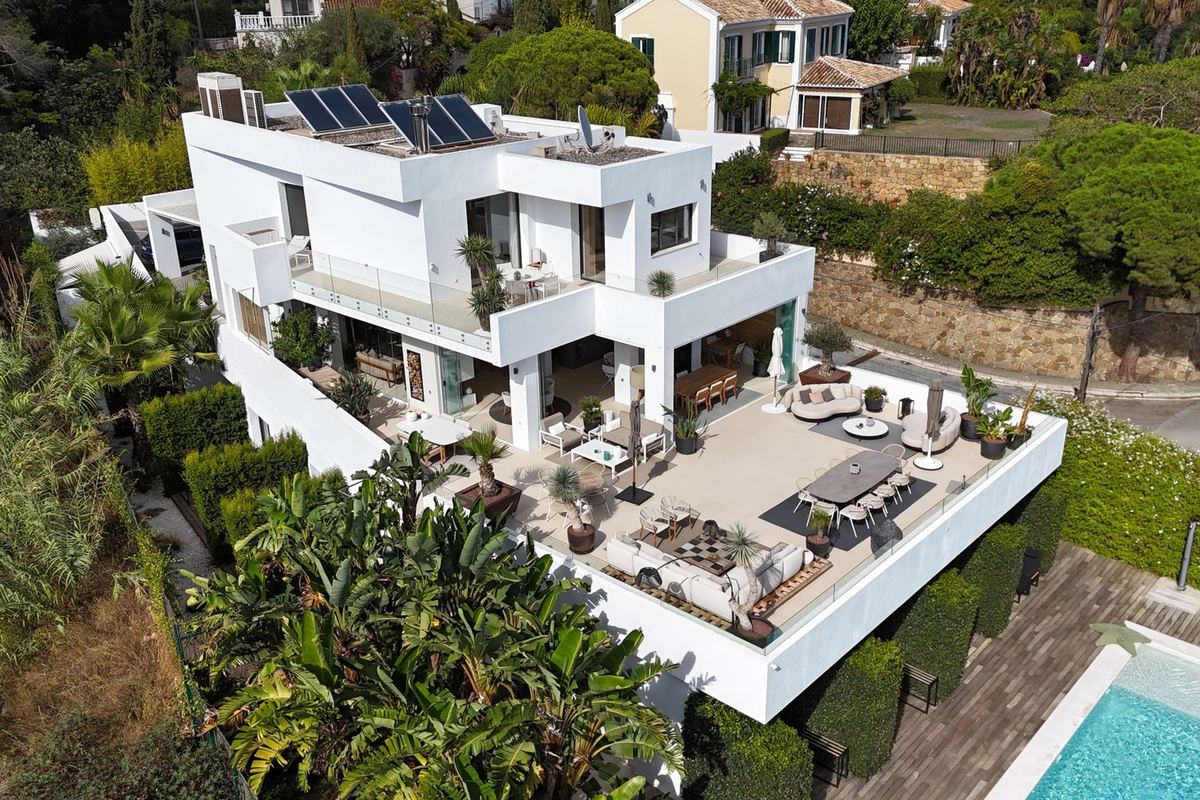
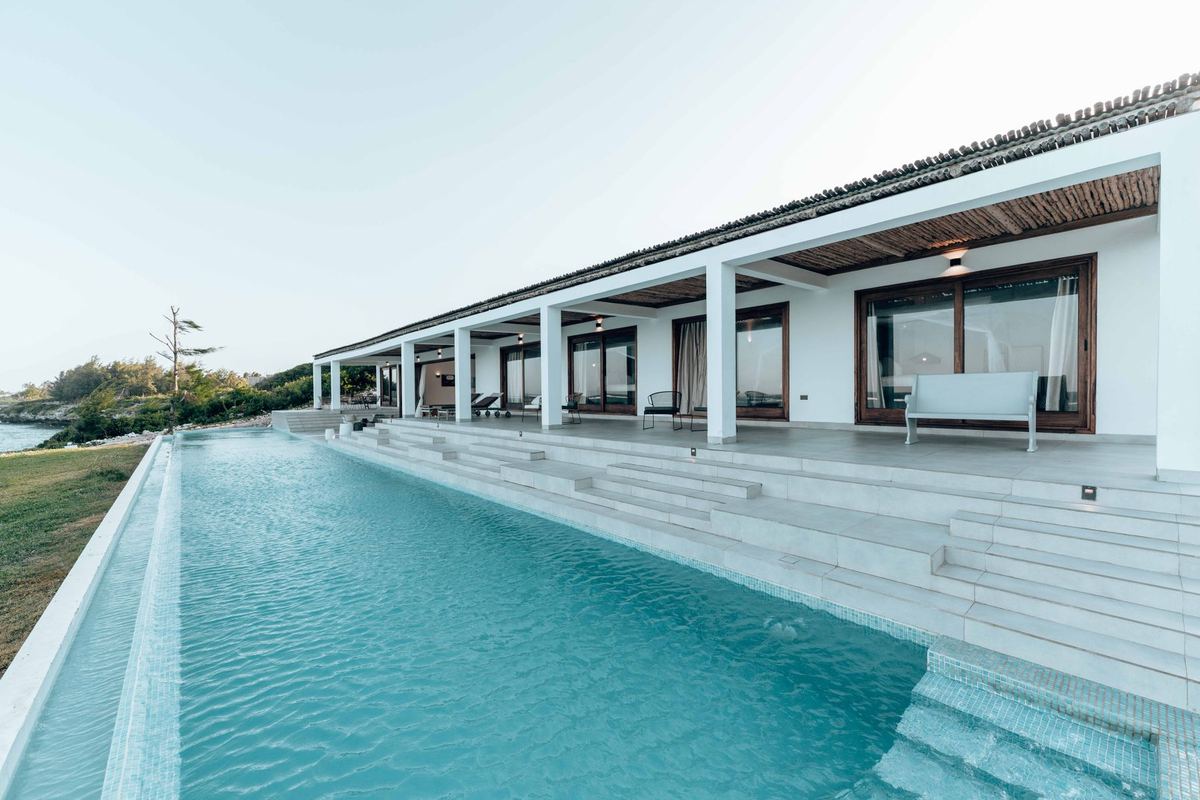
An empty house on the coast changes week to week. Salt air works on metal, wind finds weak seals, a pump that trips in a power cut stays off, and a small drip under a basin can run for a month. Our visits follow a written checklist set for your house, not a generic one. It covers the obvious, such as doors, windows, shutters and alarms, and the things that cost money when missed:
- Water: meters read and compared, every tap, cistern and boiler checked for weeping
- Power: consumer unit, fridges and freezers, pool and irrigation pumps confirmed running
- Humidity: wardrobes, cellars and closed rooms aired; dehumidifiers emptied
- Exterior: roofs, gutters and terraces after rain, garden for fallen branches, boundary and gates
Every visit ends with a dated report and photographs, sent to you and kept on file, which is also useful if you ever need to make an insurance claim.
When something happens
We hold your keys and alarm codes and are registered as the first contact with your alarm company, so a call-out is answered by someone who knows the house. After heavy rain, a storm warning or a power cut in the area, we visit outside the normal schedule rather than waiting for the next one. If a repair is needed, we make the house safe, tell you what has happened, and arrange the work to a level you have approved in advance.
Smart homes and cameras
Many of the villas we look after have remote monitoring: cameras, leak sensors, connected thermostats and pool controllers. Technology tells you something is wrong. It does not fix it. We act on the alerts, keep the systems working and reset them after power cuts. There is more on this in our note on monitoring a villa remotely.
Where we fit
Home watch is included in private villa management. Owners who only need the house watched, with no further management, can take it on its own.